Fashion dolls
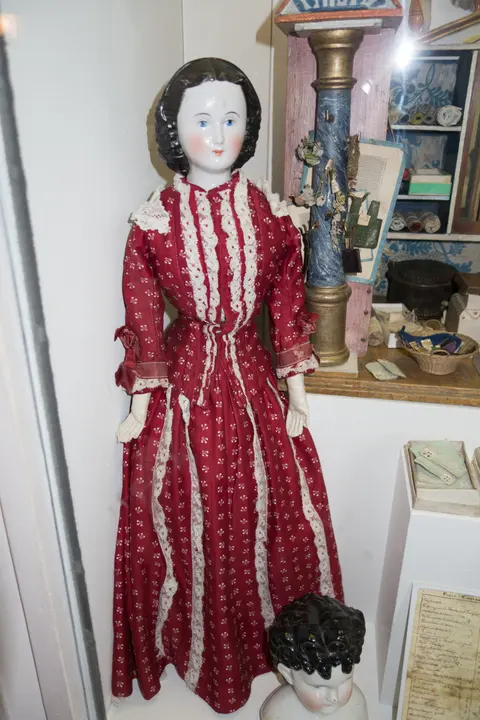
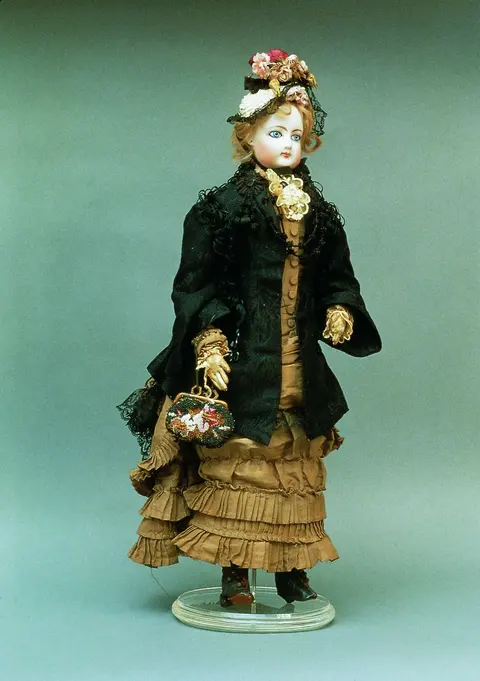
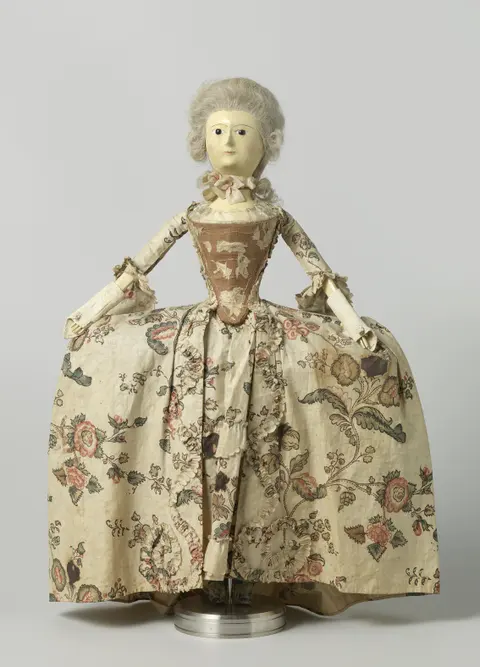
Dolls that showcase clothing and style, from the court “Pandora” mannequins of old Europe to the teenage fashion doll launched by Mattel’s Barbie in 1959 (modelled on the German Bild Lilli figure).
Dolls can be sorted two ways: by what they are made of and by what they are made for. Together these two lenses cover almost every doll ever produced. Here is a working field guide to both.
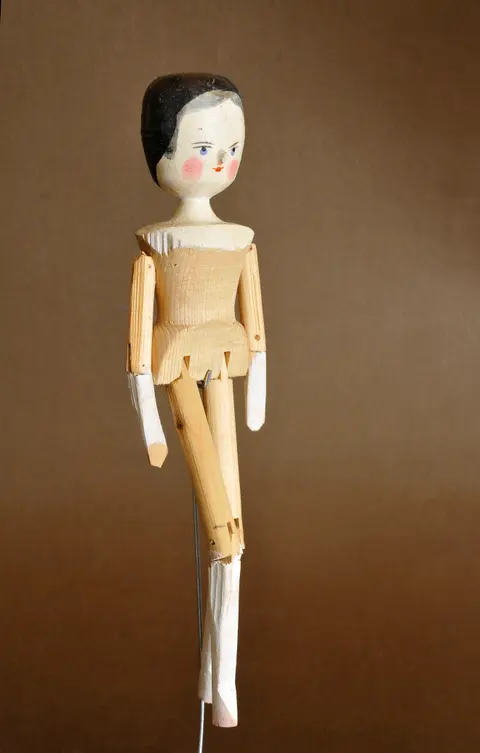
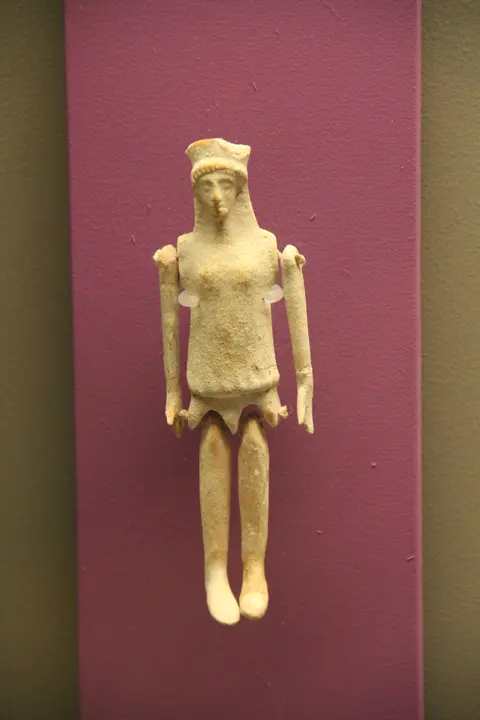
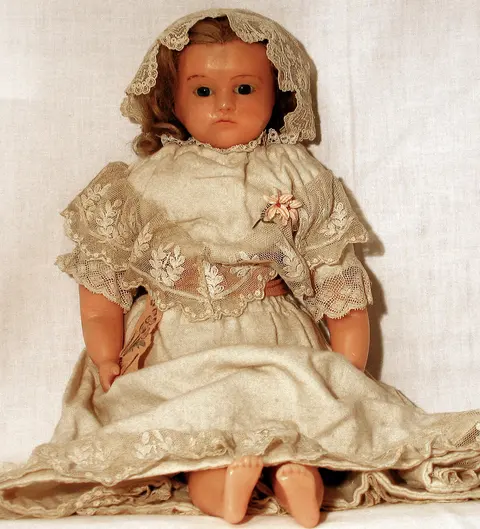
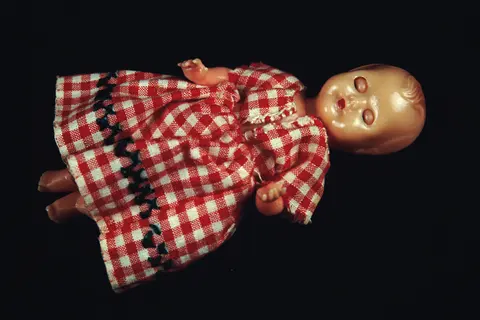
A doll’s material is the single best clue to its age and origin — collectors read the body the way a geologist reads rock. The story runs, broadly, from natural materials (cloth, wood, clay, wax) to fine ceramics (china, parian, bisque) to the manufactured substances of the industrial age (composition, celluloid, hard plastic and vinyl).
The same materials can be shaped toward very different ends. These categories describe what a doll is for — and they cut across every material above.
Dolls that showcase clothing and style, from the court “Pandora” mannequins of old Europe to the teenage fashion doll launched by Mattel’s Barbie in 1959 (modelled on the German Bild Lilli figure).
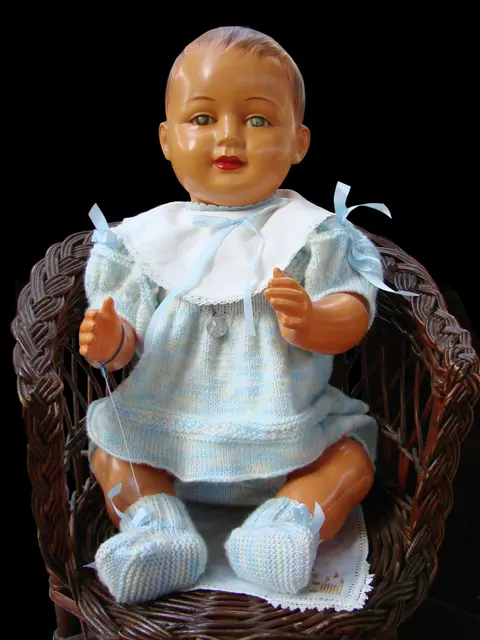
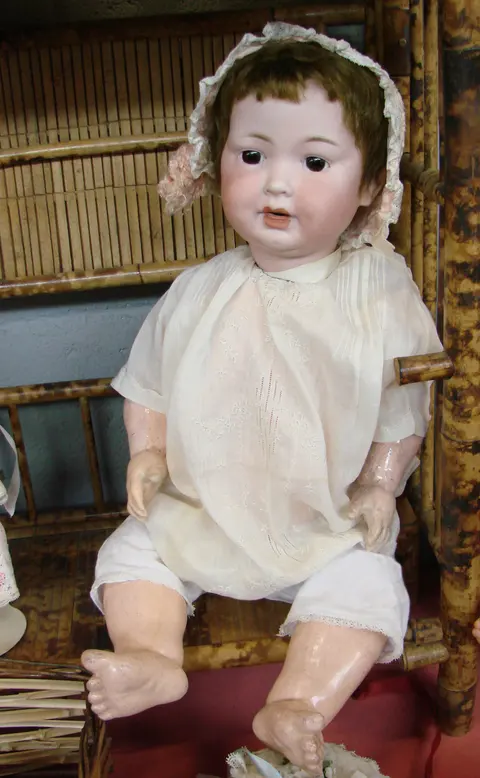
The bébé revolution of the 1800s gave children a doll shaped like a real infant to nurture. Character dolls capture specific personalities — comic, celebrity or storybook.
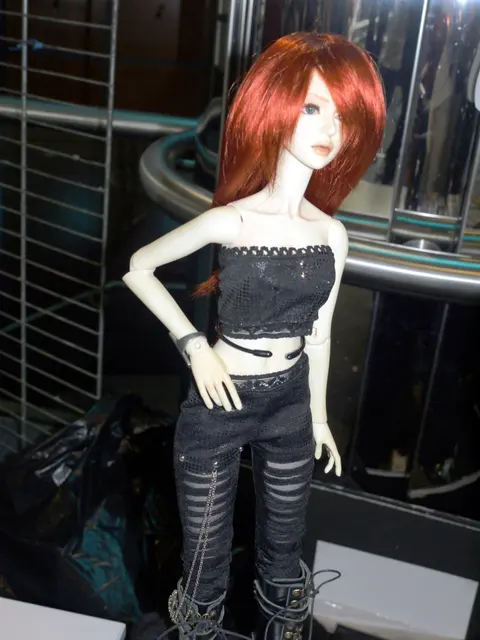
Figures articulated with ball-and-socket joints and strung with elastic. The idea runs from 19th-century bisque bodies to today’s cast-resin Asian BJDs, sparked by Volks’ Super Dollfie in 1999.
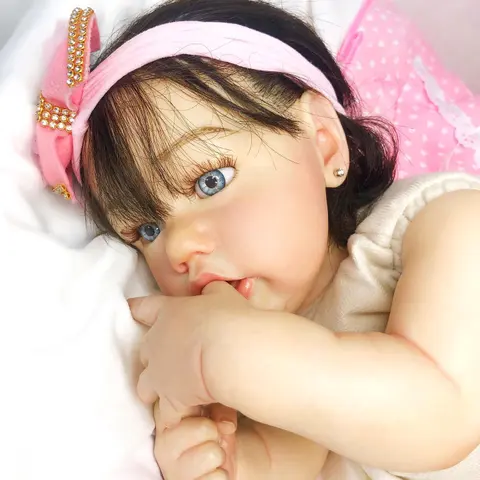
Mass-produced vinyl dolls painstakingly repainted, weighted and rooted by artists to look like a real newborn — a modern hyper-realistic art form.
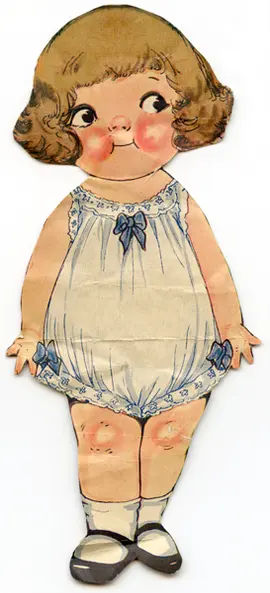
Flat printed figures with changeable paper costumes — an inexpensive, beloved toy and a genuine collector’s field of its own.
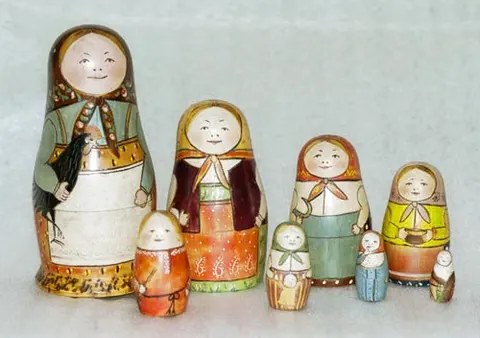
Hollow figures that open to reveal smaller copies within, epitomised by the Russian matryoshka first made in the 1890s.
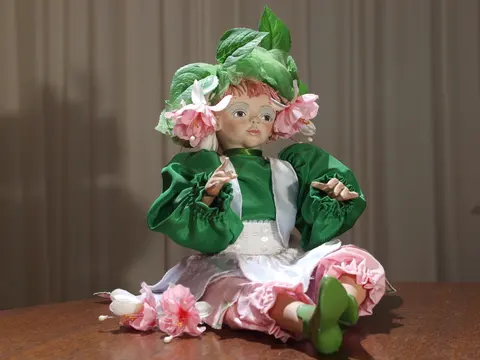
One-of-a-kind or limited-edition dolls made as fine craft, in porcelain, polymer clay or resin, signed by the artist and made for display rather than play.
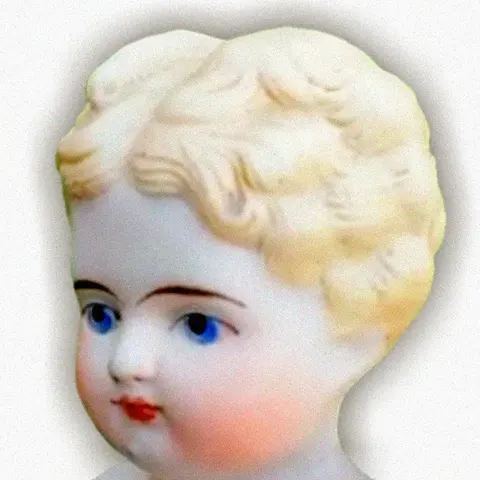
Bisque is unglazed porcelain with a velvety matte surface and a cool feel; a light tap gives a ceramic “ping.” China is glossy and glazed. Composition is painted over a wood-pulp core and warms quickly in the hand. Celluloid is feather-light and slightly translucent. These simple tests are the collector’s first step in dating and identifying an antique doll.
Curious how these materials are actually worked into a finished figure? Step into the workshop in Craftsmanship. Want to see which cultures favour which forms? Take the world tour in World Cultures.